Good Luck!
Step 1 of 2
Which tank story is yours?
Free email or phone consult. Pick the chapter you’re in.
Good Luck!
Step 2 of 2 ·
And how can we help you?
The honest version. Size, what you already have, what’s stopping you.
Hub · Freshwater → marine
You already know filters. Saltwater adds salinity, skimmers, and tighter numbers.
Sometimes the glass. Almost never the “just add salt” story. Fresh silicone, lids, and lights are often fine. The filter media, décor that leaches, and “it held tetras so it’s ready” are not. If the tank is small, scratched, or the stand is chipboard, start a marine-sized system instead of converting a kit you will outgrow. Longer note on converting →
Saltwater adds: salt and a way to mix it, a heater you can trust, a hydrometer or refractometer, and usually stronger flow. Reef adds light that can actually grow coral, and often a skimmer as the tank gets bigger. You do not need a shop-full of gadgets on day one. You need stable saltwater and livestock that matches the tank.
In a lot of Australian tap water, mixing salt straight into the tap is a gamble — phosphate, nitrate, hardness. RO/DI plus a decent salt mix is the boring, safe path. If you skip RO, test the tap first. Don’t guess. A complete system that holds numbers saves you turning the laundry into a water lab.
Same bacteria story: ammonia → nitrite → nitrate. Saltwater is less forgiving and you feel mistakes faster. Traditional advice is wait weeks, then add one fish. A system built for marine from the start treats the cycle as part of the setup, not a separate science project.
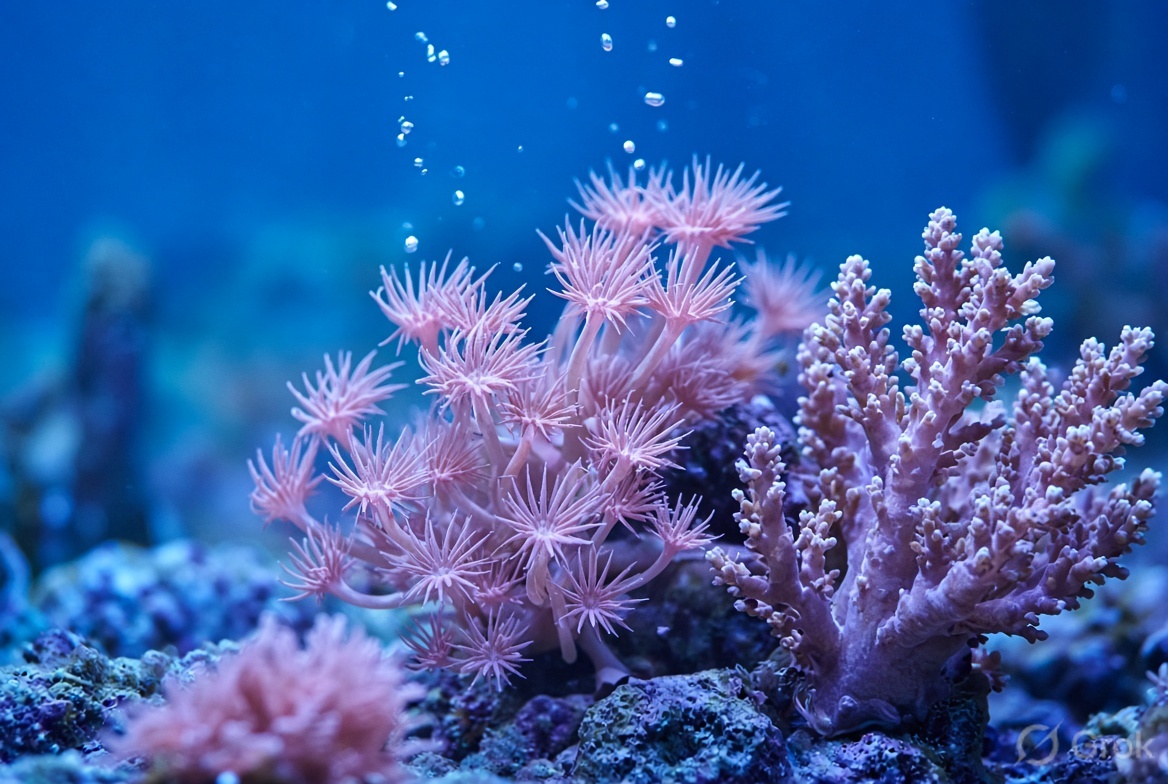
FOWLR is fish only, live rock. Softer lighting, fewer coral rules. Reef means corals are in the brief, so light, stability, and flow matter more. Most people who say “just fish” add a coral in six months. If that is you, size and light for a simple soft-coral reef now.
Salt, top-ups or an ATO, extra power for heat and pumps, and the odd bottle of additives. Freshwater was cheap water changes. Marine is cheap if the tank is stable; expensive if you keep crashing and replacing stock. A finished system costs more up front and less in panic buys.
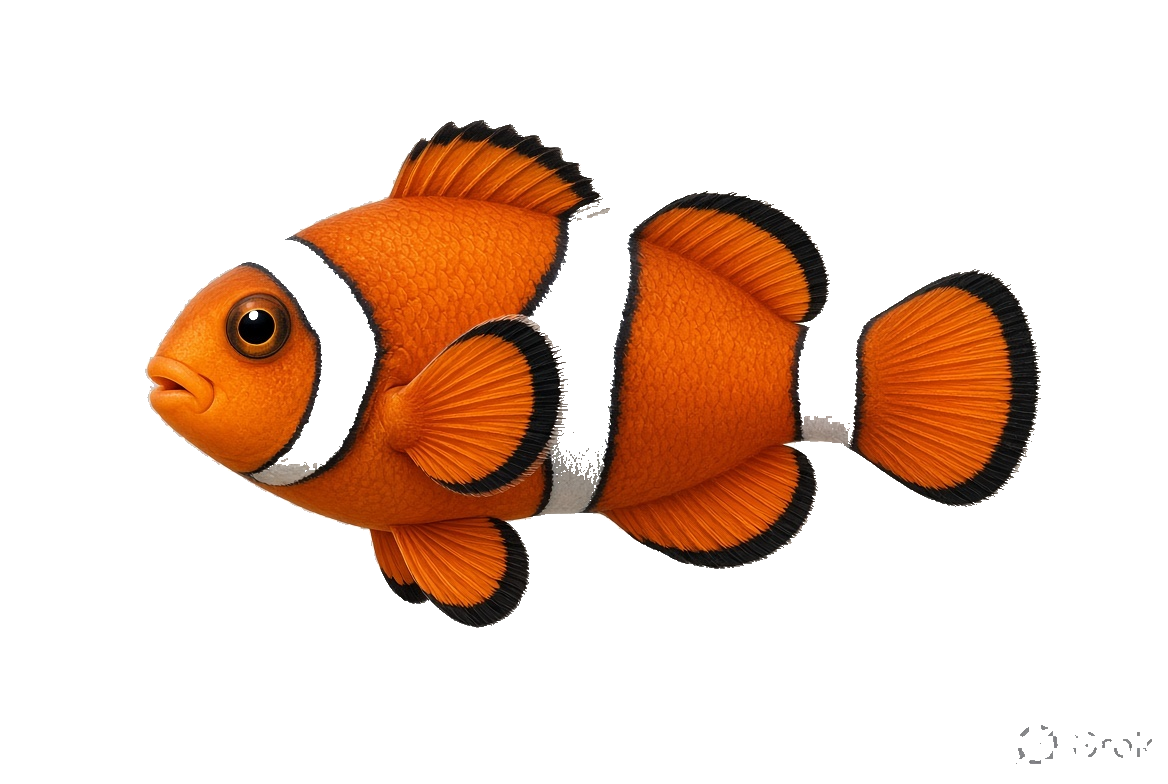
Fish: clownfish — a bonded pair in a proper tank — then hardy gobies or some wrasses once it is settled. Soft corals: mushrooms, zoas, leathers. Not SPS. Skip livestock that needs a specialist diet in month one.
No. Not in one box. Salinity is not a compromise you split down the middle. Pick freshwater or marine.
Aim about 1.025–1.026 SG (roughly 35 ppt) for a reef or mixed tank, at the temperature you actually keep. Pick a number and stay there. Chasing 1.020 one week and 1.026 the next is how people lose stock.
Temperature, salinity, then ammonia and nitrite (zero once running), nitrate not wild, alkalinity if you have corals. pH follows the rest. You do not need a spreadsheet. You need the same readings, same time of day.
Living Oceans is the complete marine system we point to — cabinet, automation, clownfish.
See the clownfish systemFirst Tank may earn a commission. Editorial site, not the shop.
Skip the 20L kit. See the complete clownfish system.
View system
Step 1 of 2
Free email or phone consult. Pick the chapter you’re in.
Step 2 of 2 ·
The honest version. Size, what you already have, what’s stopping you.